
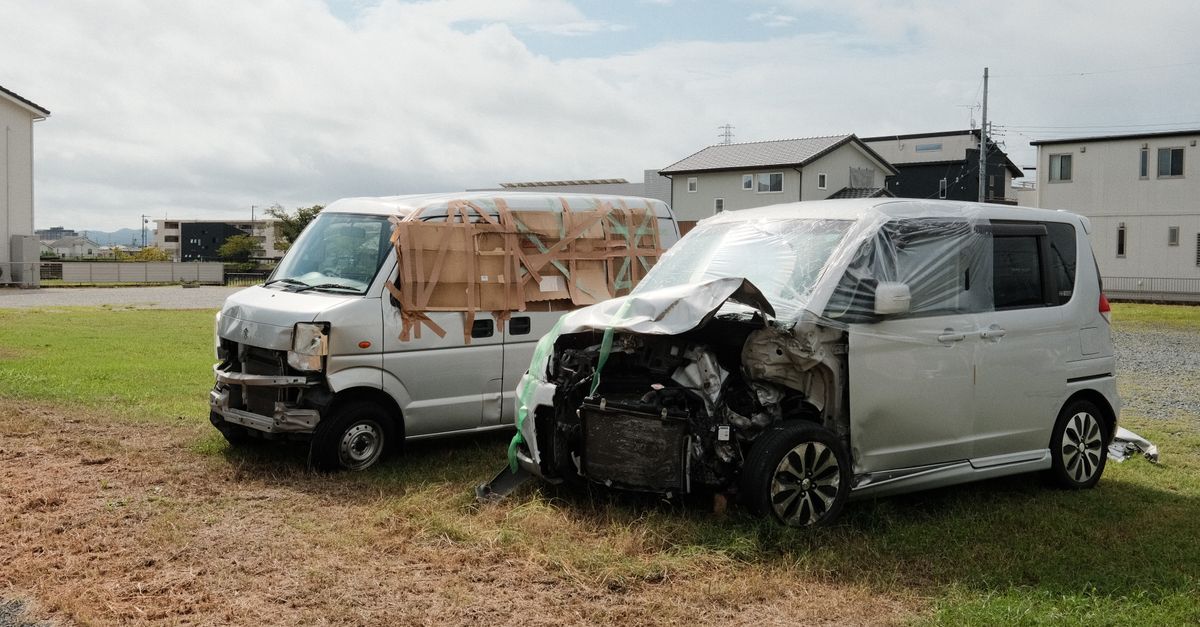
You finance a $30,000 car, put $3,000 down, and six months later it’s totaled in an accident. Your insurer says the car’s worth $26,000 now—but you still owe $27,500 on the loan. That $1,500 gap? You pay it out of pocket unless you have gap insurance. But here’s what the salesperson probably didn’t mention: gap insurance doesn’t cover your collision deductible, so you’ll still owe that $500 or $1,000 before gap kicks in.
The short answer
Gap insurance is worth buying if you’re financing a new or late-model car with less than 20% down and plan to keep the loan for three or more years. It’s usually required on leases and often makes sense in year one or two of a loan when your car’s value drops faster than your loan balance. Skip it if you paid cash, put 20% or more down, or you’re buying a used car that’s already depreciated.
What gap insurance actually covers
GAP stands for Guaranteed Asset Protection. It pays the difference between what your car is worth at the time of a total loss and what you still owe on your loan or lease.
Here’s the math in a real scenario: You finance a $35,000 SUV with a $5,000 down payment, so your loan is $30,000. Eight months later, someone runs a red light and totals your SUV. Your collision insurance pays out the car’s actual cash value—let’s say $31,000 (new cars typically lose 10–20% of their value in the first year). Sounds fine, right? Except you still owe $29,200 on your loan after making eight monthly payments.
Without gap insurance, your collision payout of $31,000 pays off the $29,200 loan, and you’d pocket $1,800. But remember: you first have to pay your $1,000 collision deductible. So you’d net $800.
Now imagine the car’s worth only $28,000 instead. Your collision insurance pays $28,000. You owe $29,200. That’s a $1,200 gap—and you owe it even though you no longer have a car. Gap insurance covers that $1,200. But you still pay the $1,000 deductible out of pocket.
That deductible detail surprises a lot of buyers. Gap insurance bridges the gap between your loan and your car’s value, not the gap between zero and what you owe. You need collision or comprehensive coverage to trigger a gap claim in the first place.
When gap insurance makes sense: the decision tree
Use this framework to figure out if gap insurance is worth it for your situation:
You should strongly consider gap insurance if:
- You financed with less than 20% down
- You have a loan term of 60 months or longer
- You’re in year one or two of the loan (when depreciation is steepest)
- You’re leasing (many lease agreements require it)
- You rolled negative equity from a trade-in into your new loan
You can probably skip gap insurance if:
- You paid 20% or more as a down payment
- You’re buying a 3+ year-old used car (most depreciation already happened)
- You’re paying cash
- You plan to pay off the loan in under three years
- Your loan balance is already below the car’s current market value
The key question is simple: Do you owe more than your car is worth right now? If yes, gap insurance protects you from that difference. If no, you’re not upside-down on the loan, and gap insurance isn’t covering a real risk.
You can check this by looking up your car’s current value on Kelley Blue Book or NADA Guides, then comparing it to your current loan payoff amount (call your lender or check your online account). If the loan payoff is higher, you’re upside-down. If it’s lower, you have equity.
Gap insurance cost: dealership vs. aftermarket

What gap insurance costs depends on where and how you buy it.
| Purchase Method | Typical Cost | Payment Structure | Notes |
|---|---|---|---|
| Dealership (at financing) | $500–$1,200 | One-time, rolled into loan | Marked up 30–50% over aftermarket; you’ll pay interest on the gap premium itself |
| Auto insurer (aftermarket) | $300–$600 one-time, or $10–$25/month | Lump sum or monthly endorsement | Cheaper than dealer; can often cancel if you pay off the loan early |
| Lease (at signing) | $300–$600 for 2–3 year lease | One-time or built into monthly payment | Sometimes included in the lease package; check your agreement |
Here’s the hidden cost of buying gap insurance at the dealership: if you roll a $700 gap insurance charge into a 60-month loan at 5% APR, you’re not just paying $700—you’re paying interest on it for five years. That works out to roughly $50 in extra interest, bringing the true cost to about $750. Dealerships also mark up gap insurance significantly compared to buying it directly from your auto insurer.
The better move: Ask your current auto insurer (State Farm, GEICO, Progressive, etc.) about adding gap coverage as an endorsement to your collision policy. You’ll typically pay $10–$25 per month, and you can cancel it once your loan balance drops below your car’s value—something you can’t do if you bought it through the dealer and financed it.
If you’re quoted gap insurance at the dealership for $800 or more, tell them you’ll buy it separately. You’ll save $200–$400.
Gap insurance on a lease: why it’s usually required
Leasing is different. When you lease, you don’t own the car—the leasing company (the lessor) does. You’re borrowing the car for the lease term, and the lessor expects to get back the car’s residual value (what it’s projected to be worth at lease-end). You’re responsible for covering the difference if the car’s worth less at return than that agreed residual value.
If the leased car is totaled, your collision insurance pays the car’s actual cash value. But the lease contract says you’re responsible for the residual value the lessor expected to recover. If the car’s actual cash value is less than that residual, you owe the gap—and the lessor requires gap insurance to protect their asset.
That’s why most lease agreements either require you to buy gap insurance or include it in the lease package (sometimes called “lease gap coverage” or “auto lease/loan coverage”). Check your lease paperwork under “Insurance Requirements” or “Gap Waiver.” If it says gap is included, you don’t need to buy it separately. If it’s not included, expect to pay $300–$600 upfront or $10–$20/month.
One more lease detail: gap insurance on a lease does not cover excess mileage fees or wear-and-tear charges at lease-end. If your lease allows 12,000 miles per year and you drive 18,000, you’ll owe around $0.20–$0.30 per excess mile—that’s not a gap claim, it’s a lease-end charge.
What gap insurance does NOT cover

Gap insurance only does one thing: it covers the gap between your car’s actual cash value and your loan or lease payoff after a total loss. It does not cover:
- Your deductible — If you have a $1,000 collision deductible, you pay that first; gap insurance doesn’t reimburse it
- Comprehensive or collision coverage limits — Gap only applies after your primary auto insurance pays out
- Mechanical breakdowns — Engine failure, transmission trouble, or normal wear and tear are not covered; gap insurance is not a warranty
- Lease excess mileage or damage fees — If you exceed your lease mileage or return the car with dings and scratches, gap won’t cover those charges
- Loan penalties or late fees — Missed payments or default penalties are your responsibility
- Aftermarket modifications — That $3,000 custom stereo system or lift kit you added isn’t covered by gap insurance; your primary insurer may not cover it either unless you specifically scheduled it
- Non-accident losses — If your car’s engine seizes or the transmission dies, that’s not a total loss claim, so gap doesn’t apply
The most important exclusion is the deductible. Many buyers assume gap insurance means “I won’t owe anything” after a total loss. Not true—you’ll owe your collision or comprehensive deductible (often $500–$1,000) no matter what.
When gap insurance is a waste of money
Don’t buy gap insurance if:
- You paid cash — No loan means no gap to cover
- You made a 20%+ down payment — You’re starting with equity, so you’re unlikely to be upside-down unless you take a very long loan
- You’re buying a used car that’s already 3+ years old — The steepest depreciation happened to the previous owner; used cars lose value more slowly
- You plan to pay off the loan early — If you’re paying extra principal each month or plan to refinance within a year or two, the gap shrinks fast
- Your loan balance is already below your car’s value — Check your current payoff amount vs. your car’s market value; if you have equity, gap insurance isn’t protecting you from a real risk
Gap insurance makes the most sense in the first 12–24 months of a new-car loan with a small down payment. After that, you’re usually building equity faster than the car is depreciating, and the gap closes on its own.
FAQ
Is gap insurance required by law?
No. Gap insurance is optional in all 50 states for vehicle purchases. However, lease agreements often require it contractually to protect the lessor’s residual value. If you’re leasing, check your lease contract—gap may be required or already included.
Can you buy gap insurance after you’ve already financed the car?
Yes, but it’s easier to add it soon after purchase. Most auto insurers will let you add gap coverage to your existing policy as long as your loan balance is still higher than your car’s value. If you’ve already built equity (loan < car value), insurers may decline to add it since there’s no gap to insure. You typically cannot buy gap insurance from the dealership after you’ve driven off the lot.
Does gap insurance cover the depreciation on my car?
Not exactly. Gap insurance doesn’t prevent depreciation or reimburse you for it. It covers the financial gap that results from depreciation—the difference between what your car is worth after depreciation and what you still owe. Depreciation is a given; gap insurance just makes sure you’re not stuck paying off a loan for a car you no longer have.
When should you cancel gap insurance?
Cancel gap insurance once your loan balance drops below your car’s current market value—meaning you have equity. Check your loan payoff amount and compare it to your car’s value on Kelley Blue Book or NADA Guides. If you have equity, you’re no longer at risk of owing more than the car is worth, so gap insurance isn’t doing anything for you. If you bought gap as a monthly endorsement from your insurer, you can cancel anytime. If you bought it at the dealership and financed it, you’re stuck with it (another reason to buy aftermarket).
Gap insurance is one of those products that’s genuinely useful in the right situation—but only if you understand what it actually does. It won’t make you whole after a total loss, but it will keep you from owing thousands on a car you can’t drive anymore. If you’re financing with a small down payment, it’s worth the $20/month. If you put 20% down or you’re buying used, save your money.
For more on building the right auto coverage, see our guides on full coverage versus liability-only and how much car insurance you really need.
Not insurance or financial advice. Coverage, costs, and eligibility vary by state, insurer, and individual circumstances. Review your specific policy or lease agreement, or consult a licensed insurance agent before purchasing gap insurance. Gap insurance regulations and pricing align with National Association of Insurance Commissioners (NAIC) model guidance and Federal Trade Commission (FTC) consumer protection standards.