

No state legally requires collision or comprehensive coverage. If you own your car outright, you can skip both and carry only liability. But if you’re financing or leasing, your lender will require collision and comprehensive as a condition of the loan—and that’s where most drivers end up paying for coverage they might otherwise drop.
The real question isn’t “what’s the difference”—it’s whether the coverage is worth the cost for your car at its current value. A $4,000 car with $500 in combined premiums is a bad bet. A $25,000 car with a loan is a requirement you can’t avoid, so your only decision is the deductible.
Quick verdict:
- Collision coverage is worth it if your car is worth more than 5–7× your annual premium—or if your lender requires it.
- Comprehensive coverage is worth it in high-theft or weather-prone regions, or if you’re financing.
- Neither makes sense for older, low-value cars you own outright and can afford to replace out-of-pocket.
What each coverage actually does
| Coverage | What it covers | What it does NOT cover | Typical annual cost | When you must have it |
|---|---|---|---|---|
| Collision | Damage from hitting another car, object, or pothole (regardless of fault) | Animal strikes, theft, weather damage, your medical bills | $200–$400/year | If you have a loan or lease |
| Comprehensive | Theft, vandalism, weather (hail, flood), animal strikes, falling objects | Damage from impact with vehicles or objects, wear and tear | $150–$300/year | If you have a loan or lease |
| Liability only | Damage you cause to others’ property and medical bills | Damage to YOUR car from any cause | $0 (not applicable) | Never—but collision/comprehensive are optional if you own the car outright |
Pricing based on Insurance Information Institute industry data. Your quote will vary by vehicle value, age, state, and driving record.
Collision coverage: what it pays for and what it skips
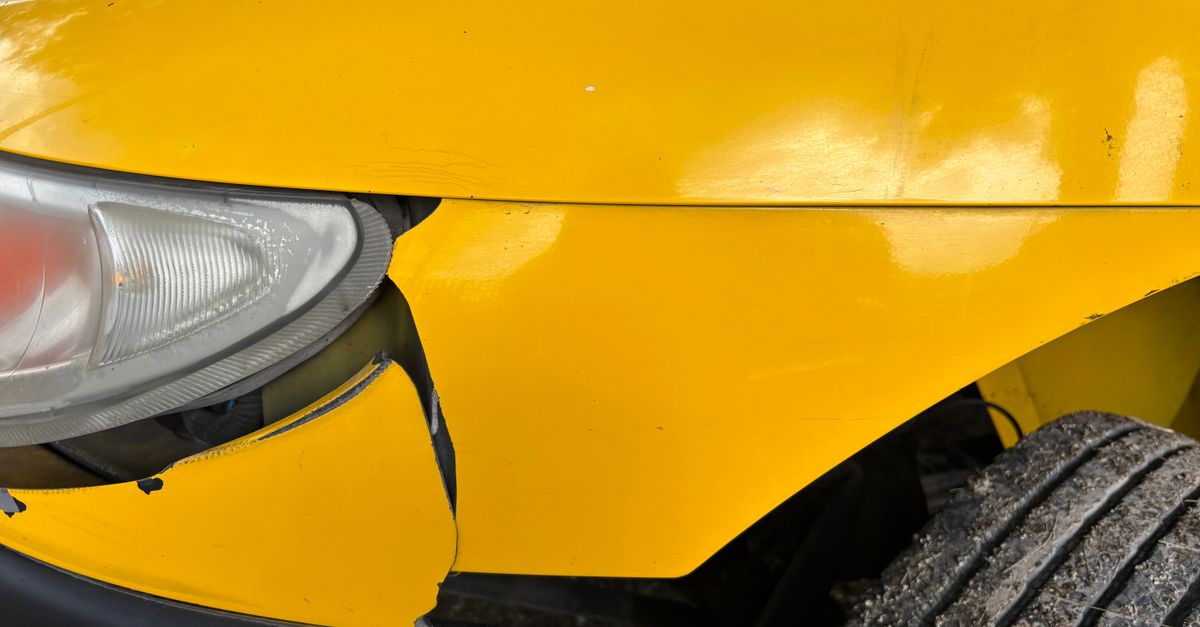
Collision covers damage to your car from impact—hitting another vehicle, a tree, a guardrail, a pothole, or rolling your car in a ditch. It applies whether you caused the accident or the other driver did. If you’re at fault and the other driver has no insurance, collision pays to fix your car. If the other driver is at fault and has insurance, their liability coverage should pay—but collision covers you either way, minus your deductible.
What collision does NOT cover:
- Hitting a deer or other animal (that’s comprehensive)
- Damage to the other person’s car (that’s your liability coverage)
- Your medical bills (that’s medical payments coverage or your health insurance)
- A rental car while yours is in the shop (that’s separate rental reimbursement coverage, not automatic)
The National Association of Insurance Commissioners defines collision as “loss caused by impact with another vehicle or object,” and that definition is uniform across all 50 states. The ambiguity comes in the edges: hitting a pothole should be collision, but some insurers classify it as road-surface damage and deny the claim as a maintenance issue.
Collision claim denials for road damage are common. Industry data shows denial rates of 20–30% for pothole and road-surface damage claims, typically because insurers dispute whether the damage qualifies as “impact” or constitutes normal wear. If your claim is denied, you have recourse: file a complaint with your state Department of Insurance. State insurance regulators review consumer complaints and can compel insurers to reverse wrongful denials—this is where most contested pothole claims are actually resolved.
Comprehensive coverage explained: the “everything else” bucket
Comprehensive—sometimes called “other-than-collision”—covers damage from non-impact events: theft, vandalism, hail, flooding, fire, falling tree limbs, and hitting an animal. If your car is stolen, comprehensive pays the actual cash value minus your deductible. If a branch falls on your parked car during a storm, comprehensive covers the repair.
What comprehensive does NOT cover:
- Damage from hitting a vehicle or object (that’s collision)
- Normal wear, rust, or mechanical breakdown (maintenance, not insured)
- Theft of aftermarket parts or personal items inside the car unless your policy specifically covers them—and most policies cap this at $500
- Driving through deep water if the insurer classifies it as “operator negligence” rather than flood damage (read your policy; this varies by carrier)
The Insurance Information Institute notes that comprehensive claims are more frequent in certain regions: hail belts (Texas, Oklahoma, Kansas), high-theft urban areas (California, Texas, Florida), and coastal states prone to hurricanes. If you live in one of these zones, comprehensive may be worth keeping even on an older car.
The collision deductible rule: you have two, not one

Each coverage has its own deductible. A $500 collision deductible and a $250 comprehensive deductible means you pay $500 out-of-pocket for a collision claim and $250 for a comprehensive claim. They do not combine.
If you hit a car and a tree in the same accident, you may owe both deductibles—one for the collision, one for the impact with the tree—depending on how the adjuster classifies the damage. In practice, most single-event accidents are charged one deductible, but multi-peril incidents (e.g., you slide on ice, hit a car, then strike a tree) can trigger two.
Deductible trade-offs:
- A $250 deductible costs 25–40% more in premium than a $500 deductible but reduces your out-of-pocket on a claim.
- A $1,000 deductible saves the most upfront but requires cash reserves to cover a claim. If your car is worth $5,000, a $1,000 deductible leaves you with a maximum payout of $4,000 on a total loss—often not worth the premium savings.
- A $0 deductible exists but is rare and expensive; it eliminates out-of-pocket cost but raises your annual premium by 30–50%.
When you’re required to carry both (and the gap your lender won’t cover)
If you have a car loan or lease: Your financing agreement requires collision and comprehensive. This is a contract requirement, not a legal mandate. Miss a payment on the insurance, and the lender can force-place coverage at a higher rate or repossess the vehicle.
But collision and comprehensive don’t cover the full loan if your car is totaled. If you financed $28,000 on a $30,000 purchase and total the car six months later, depreciation means the car is now worth $25,000. Collision pays $24,500 (after your $500 deductible). You still owe $27,000 on the loan. The $2,500 gap is your problem—the lender expects payment in full.
Guaranteed Asset Protection (GAP) insurance covers this loan-to-value gap. It pays the difference between what your car is worth and what you still owe if the car is totaled or stolen. GAP is offered at the time of purchase—either as a one-time fee added to your loan ($200–$500) or as a monthly add-on to your auto policy ($15–$20/month). Some lenders build it into the financing package; others require you to buy it separately.
When GAP makes sense: If you put down less than 20%, financed for more than 60 months, or bought a vehicle that depreciates faster than average (luxury cars, EVs, certain SUVs), GAP is worth the cost for the first 2–3 years of the loan. After that, as your loan balance drops below the car’s value, you can drop it. If you put down 30% and financed for 36 months, you’re less likely to be underwater—skip it.
If you own the car outright: Collision and comprehensive are optional. No state in the U.S. requires them. You can carry liability-only coverage (which pays for damage you cause to others) and self-insure your own car.
The break-even math: when to drop coverage (with depreciation timelines)
Here’s the decision framework by vehicle value and loan status:
Financed or leased (any value): You must carry both. Your only decision is the deductible. Raise it to $500 or $1,000 to cut your premium by 15–30%, but make sure you can cover that amount out-of-pocket if you file a claim. Consider GAP insurance if you’re early in the loan term or financed with a small down payment.
Owned outright, car worth less than $5,000: Run the math. If collision and comprehensive cost $500/year combined and your car is worth $4,000, you’re paying 12.5% of the car’s value annually. A total loss once every 8 years breaks even. For most drivers, this is a bad bet—drop both and bank the premium savings.
Owned outright, car worth $5,000–$15,000: The break-even is closer, but depreciation complicates the calculation. Collision and comprehensive premiums decline slowly (5–10% per year) while vehicle value drops faster (15–20% annually in years 3–8, according to Consumer Finance Protection Bureau industry guidance).
Concrete example: A 2018 Honda Civic worth $12,000 in year 5 might cost $40/month in combined collision and comprehensive premiums ($480/year). The car’s value justifies coverage—you’re paying 4% of the car’s value annually. But by year 10, the same car is worth $5,000 and premiums have only dropped to $35/month ($420/year). Now you’re paying 8.4% of the car’s value annually. The coverage no longer makes sense.
The drop-off rule: Discontinue collision when your vehicle value falls below 5–7× your annual premium. For most mid-range cars, this happens in years 8–10. A car worth $6,000 with $500/year in collision costs is at the 12× threshold—keep it. The same car at $3,000 with $450/year in premiums is at the 6.7× threshold—drop it.
Owned outright, car worth more than $15,000: Keep both unless you have enough liquid savings to replace the car out-of-pocket. The premium is a smaller percentage of the car’s value, and the risk of a total loss is harder to absorb.
When to keep comprehensive but drop collision
If you own your car outright and it’s worth $6,000–$10,000, comprehensive-only can make sense in certain regions. Comprehensive is cheaper than collision (roughly $150–$250/year vs. $200–$400/year), and the risks it covers—theft, hail, animal strikes—are location-dependent but not driver-dependent. If you live in a hail-prone state or a high-theft city, comprehensive may be worth keeping even after you drop collision.
Collision, by contrast, is a driving-risk coverage. If you have a clean record, avoid high-traffic commutes, and drive defensively, your odds of filing a collision claim are low. Drop it first.
How costs vary by state and vehicle
National averages for collision and comprehensive, based on the Insurance Information Institute:
- Collision: $200–$400/year for a mid-range vehicle; higher for new cars, luxury models, or drivers under 25
- Comprehensive: $150–$300/year
- Combined (both, $500 deductibles): $350–$700/year
State variation: California, Florida, Texas, and New York have the highest average premiums due to claim frequency (weather, theft, traffic density). Rural states with lower traffic and fewer weather events—Montana, Wyoming, North Dakota—have the lowest.
Vehicle age: A 10-year-old car costs $10–20/month for both coverages; a brand-new car costs $30–60/month.
Deductible impact: Raising your deductible from $250 to $1,000 typically saves 15–30% on your premium, but you must have the cash to cover the higher out-of-pocket cost on a claim.
Your quote will differ based on your vehicle, ZIP code, age, driving record, and credit score (in states where insurers are allowed to use it). Always get quotes from multiple carriers—rates vary by 30% or more for the same coverage.
What comprehensive does NOT cover: the exclusions that surprise people
Most drivers assume comprehensive is the “catch-all,” but it has gaps:
Aftermarket parts and personal property: Your $2,000 stereo system or laptop in the back seat is covered only up to your policy’s stated limit—often $500. If you have expensive aftermarket parts, ask your insurer about a rider or separate personal property coverage.
Flood vs. water damage: Driving through a flooded road and hydrolocking your engine is sometimes classified as “operator negligence” and denied under comprehensive. If the water came from a natural flood event and your car was parked, it’s covered. The line is blurry—expect a fight if you drove into standing water.
Pothole damage: Hitting a pothole should be collision (impact with a road surface), but insurers sometimes deny it as a maintenance issue. State adjuster guidance varies. If you file a pothole claim and it’s denied, file a complaint with your state Department of Insurance—regulators can compel insurers to reverse wrongful denials, and this is the primary escalation path for disputed road-damage claims.
FAQ
Do I need both collision and comprehensive?
If you’re financing or leasing, yes—your lender requires it. If you own the car outright, it depends on the car’s value and your ability to self-insure. For cars worth less than $5,000, the premium often exceeds the benefit. For cars worth more than $15,000, both are usually worth keeping.
Should I buy GAP insurance?
If you financed more than 80% of the vehicle’s purchase price, took a loan longer than 60 months, or bought a vehicle that depreciates quickly, GAP is worth it for the first 2–3 years. It covers the gap between what your car is worth and what you still owe if the car is totaled. Cost is typically $200–$500 as a one-time fee or $15–$20/month added to your policy.
What is a typical collision deductible?
Most drivers choose $500 or $1,000. A $500 deductible costs 15–25% more in premium than $1,000 but reduces your out-of-pocket expense on a claim. A $250 deductible is available but raises your premium significantly. Choose the highest deductible you can afford to pay out-of-pocket.
When should I drop collision and comprehensive?
When your car is worth less than 5–7× your annual premium and you can afford to replace it out-of-pocket. For most drivers, this happens when the car is 8–10 years old or worth less than $5,000. If you’re still financing, you cannot drop either coverage until the loan is paid off.
Is collision insurance required by law?
No. Collision and comprehensive are not required by any U.S. state. Only liability coverage is mandatory (in all states except New Hampshire and Virginia, which allow alternatives). Collision and comprehensive are required only if you have a lien holder, lender, or lease agreement.
What happens if my pothole claim is denied?
Collision claim denial rates for road-damage claims run 20–30% across major insurers. If your claim is denied, file a complaint with your state Department of Insurance. State regulators review consumer complaints and can compel insurers to reverse wrongful denials—this is where most contested pothole and road-surface claims are resolved.
Not insurance or financial advice. Coverage definitions, pricing, exclusions, and state regulations vary by insurer and jurisdiction. The premium ranges and examples in this article reflect national industry averages and may not reflect your specific situation. For coverage decisions tailored to your vehicle, loan status, and risk profile, consult a licensed insurance agent or your policy documents. Collision and comprehensive are optional in all 50 states for drivers who own their vehicle outright, but financing agreements typically require both as a condition of the loan.
For more on how collision and comprehensive fit into broader coverage decisions, see How Much Car Insurance Do I Really Need? A Buyer’s Guide and Should You Buy Gap Insurance on a Car?. To lower your overall premium while keeping collision and comprehensive, check How to Lower Your Car Insurance Premium: Steps That Work for deductible strategies and discount opportunities.